

Outpatient Dual Diagnosis Care: Treating Addiction and Mental Health Together
The Necessity of Integrated Treatment
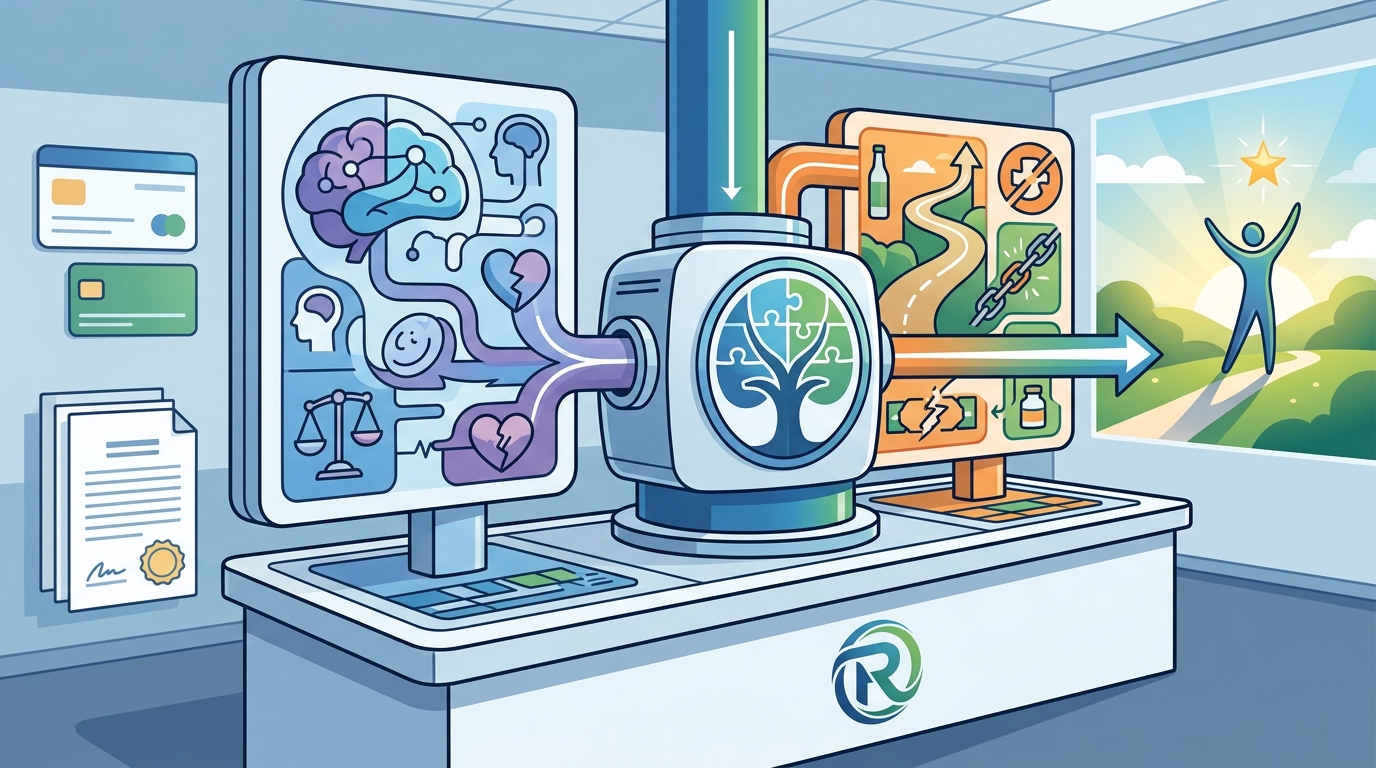
Many individuals struggling with substance use disorders also face significant mental health challenges. Treating these conditions in isolation often leads to incomplete recovery. When a patient addresses only their addiction without treating underlying anxiety, depression, or trauma, the risk of relapse remains high. Integrated care recognizes that these conditions are deeply interconnected. For example, a patient using alcohol to self-medicate for social anxiety requires therapy that targets both the anxiety and the drinking behavior. The Ringer Center’s clinicians work together to create a unified treatment plan that addresses these complex dynamics. This holistic approach ensures that the patient’s entire well-being is considered, not just one symptom at a time. For additional details, review the Frequently Asked Questions.
How Outpatient Programs Support Dual Diagnosis
The Role of Psychiatry in Behavioral Health
Accessing Care with Medicare and Medicaid
Financial barriers often prevent individuals from seeking the treatment they need. The Ringer Center accepts Medicare and Medicaid, making comprehensive behavioral health services accessible to a wider population. This coverage ensures that patients can receive the care they need without facing prohibitive out-of-pocket costs. For many individuals, insurance coverage is the deciding factor in whether they seek help. By accepting these public insurance plans, The Ringer Center removes a significant obstacle to recovery. Patients can reach out to the center to verify their specific benefits and understand how their insurance applies to their treatment plan. This accessibility is a key aspect of the center’s commitment to providing trusted behavior health services in Greensboro, NC. For additional details, review the About.
Building a Sustainable Recovery Plan
Key Takeaways
- Integrated treatment addresses both addiction and mental health simultaneously, reducing the risk of relapse.
- Outpatient care provides flexibility, allowing patients to maintain their daily responsibilities while receiving intensive support.
- Psychiatric management is essential for stabilizing mental health symptoms in patients with co-occurring disorders.
- The Ringer Center accepts Medicare and Medicaid, making comprehensive care accessible to more individuals.
- A multidisciplinary team of clinicians and psychiatrists ensures personalized and effective treatment.
- Building a sustainable recovery plan involves developing coping skills and relapse prevention strategies.
Frequently Asked Questions
What is dual diagnosis treatment?
Dual diagnosis treatment is a therapeutic approach that addresses both substance use disorders and co-occurring mental health conditions simultaneously.
How does outpatient care differ from inpatient care for dual diagnosis?
Outpatient care allows patients to live at home while attending scheduled treatment sessions, whereas inpatient care requires residential stay. Outpatient care is often suitable for individuals with stable living situations and strong support systems.
Does The Ringer Center accept insurance for dual diagnosis treatment?
Yes, The Ringer Center accepts Medicare and Medicaid, making their comprehensive behavioral health services accessible to individuals with public insurance coverage.
Why is it important to treat mental health and addiction together?
Treating these conditions together is important because they are often interconnected. Untreated mental health issues can drive substance use, and substance use can worsen mental health symptoms. Integrated care addresses both, leading to more effective and sustainable recovery.