

What to Expect in Residential Substance Abuse Treatment in Greensboro
The Admission and Intake Process
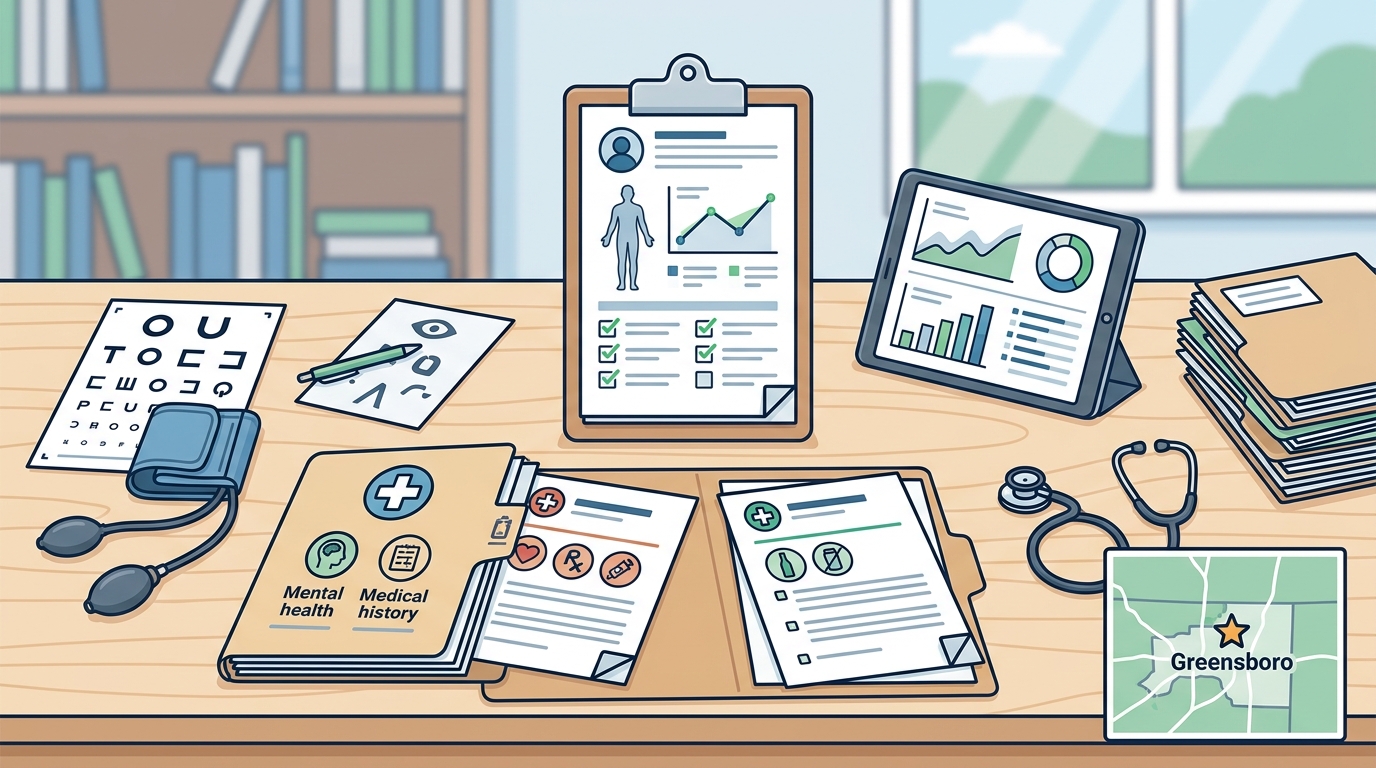
The first step in residential treatment is a comprehensive intake assessment. This process evaluates the patient's medical history, substance use patterns, and mental health status. Clinicians use this data to create a personalized treatment plan. For example, a patient with co-occurring anxiety and opioid use disorder will receive a different care protocol than someone with alcohol use disorder alone. This individualized approach ensures that the treatment addresses all aspects of the patient's health. For additional details, review the ringercenters com.
Daily Structure and Therapeutic Activities
Therapeutic Modalities and Clinical Care
Residential programs utilize various evidence-based therapeutic modalities. Cognitive Behavioral Therapy (CBT) is a common approach that helps patients identify and change negative thought patterns. Dialectical Behavior Therapy (DBT) is often used to manage emotional dysregulation and distress tolerance. Medication-Assisted Treatment (MAT) may be included for patients with opioid or alcohol use disorders. These clinical interventions are delivered by licensed professionals who monitor progress closely. The goal is to equip patients with coping mechanisms that they can use long after they leave the facility. For additional details, review the .
Peer Support and Community Building
Discharge Planning and Aftercare
Key Takeaways
- Residential treatment provides 24-hour care in a structured, live-in environment. For additional details, review the Customer Experience.
- Intake assessments create personalized treatment plans based on individual needs. For additional details, review the Frequently Asked Questions.
- Evidence-based therapies like CBT and DBT are central to the treatment process. For additional details, review the About.
- Discharge planning focuses on relapse prevention and aftercare connections.
Frequently Asked Questions
How long does residential substance abuse treatment last?
What is the difference between residential and outpatient treatment?
Residential treatment involves living at the facility 24/7, while outpatient treatment allows patients to live at home and attend scheduled sessions. Residential care is more intensive and provides a structured environment, whereas outpatient care offers flexibility.
Does The Ringer Center offer residential treatment?
What therapies are used in residential treatment?
How is peer support integrated into residential treatment?
What happens after residential treatment?
Can I bring personal items to a residential facility?
Most residential facilities allow patients to bring personal items, such as clothing and toiletries. However, there are usually restrictions on certain items, such as alcohol, drugs, or electronic devices. Patients should check with the facility for specific guidelines.