

Substance abuse treatment has evolved significantly over the last two decades. The Intensive Outpatient Program (IOP) has become the standard of care for many individuals seeking recovery from alcohol use disorder. According to recent healthcare trends, IOPs have largely replaced conventional 28-day inpatient programs for moderate to severe cases due to their cost-effectiveness and flexibility. However, success in an outpatient setting requires more than just attendance. Many patients fail to achieve long-term sobriety because they underestimate the intensity of the program or neglect critical components of their recovery plan. Understanding these common pitfalls is the first step toward building a resilient foundation for lasting healing.
Mistake 1: Underestimating the Time Commitment
One of the most frequent errors patients make is viewing the Intensive Outpatient Program as a part-time obligation rather than a primary focus of their life. The structure of an IOP is designed to be rigorous. At The Ringer Center, our morning sessions run from 10:30 am to 1:30 pm, and evening sessions run from 6:30 pm to 9:30 pm, Monday through Friday. This amounts to approximately 15 hours of clinical contact per week.
Many individuals attempt to maintain their full-time work schedules without adjusting their responsibilities. This leads to burnout, missed sessions, and a lack of engagement. Recovery requires prioritization. If you are working, you must negotiate flexible hours or take a temporary leave of absence. Treating the IOP as optional undermines the neuroplasticity changes required to rewire addiction pathways.
To avoid this mistake, treat your treatment appointments with the same respect as a medical surgery or a critical business meeting. Communicate your schedule to your employer and family immediately. The Ringer Center offers both morning and evening options to help accommodate work schedules, but you must choose one and stick to it consistently.
Mistake 2: Skipping Family Therapy Sessions
Alcohol addiction does not affect only the individual. It creates a ripple effect that damages relationships with spouses, children, and parents. A common mistake is attending individual group therapy while skipping the dedicated family sessions. These sessions are not optional extras; they are a core component of the treatment ecosystem.
At The Ringer Center, we hold family sessions on Tuesday nights. These meetings focus on the effects of substance abuse on the family, friends, and community. They teach support systems how to help clients recover without enabling destructive behaviors. Family therapy is defined as a therapeutic approach that addresses the family as a system. Without this support, the patient often returns to a home environment that is unprepared for their sobriety.
Encourage your loved ones to attend. Explain that their presence is vital to your success. If family members cannot attend in person, ask if telehealth options are available for them. The Ringer Center is located at 213 E. Bessemer Ave in Greensboro, NC, and we are committed to making the process simple for everyone involved.
Mistake 3: Ignoring Medication Management
Many patients view medication as a crutch or a sign of weakness. This is a dangerous misconception. In the context of alcohol recovery, medication can be a life-saving tool. The appropriate use of medication management with Antabuse, Campral, Naltrexone, or other non-addictive medications has proven to enhance the early recovery process.
Alcohol withdrawal and post-acute withdrawal syndrome (PAWS) can cause severe physical and psychological symptoms. Attempting to manage these alone often leads to relapse. The Ringer Center employs a psychiatrist and two psychiatric nurse practitioners who provide necessary medication management services. They work closely with our master-level clinicians to ensure your treatment plan is holistic.
If you are prescribed medication, take it exactly as directed. Do not stop taking it because you "feel better." Sudden discontinuation can trigger severe withdrawal symptoms. Our medical staff is available to adjust dosages based on your progress. Visit our Outpatient Services page to learn more about our medical support options.
Mistake 4: Isolating During Early Recovery
Isolation is the enemy of recovery. Addiction thrives in secrecy. A common mistake is withdrawing from social interactions outside of treatment hours. Patients often fear judgment or simply lack the energy to socialize. However, building a new sober network is essential for long-term success.
Recovery is defined as the process of regaining health and well-being. This process is significantly accelerated by community support. The Ringer Center follows a twelve-stepped based philosophy and has seven clinicians, three of whom are licensed substance abuse counselors and who are also recovering themselves. This combined forty years of experience provides a unique perspective on the recovery journey.
Attend peer support meetings in the Greensboro area. Connect with your IOP group members. Community is not a luxury; it is a necessity. The Ringer Center has been privileged to serve Greensboro area residents since 1996, and we understand the local resources available to you. Do not try to walk this path alone.
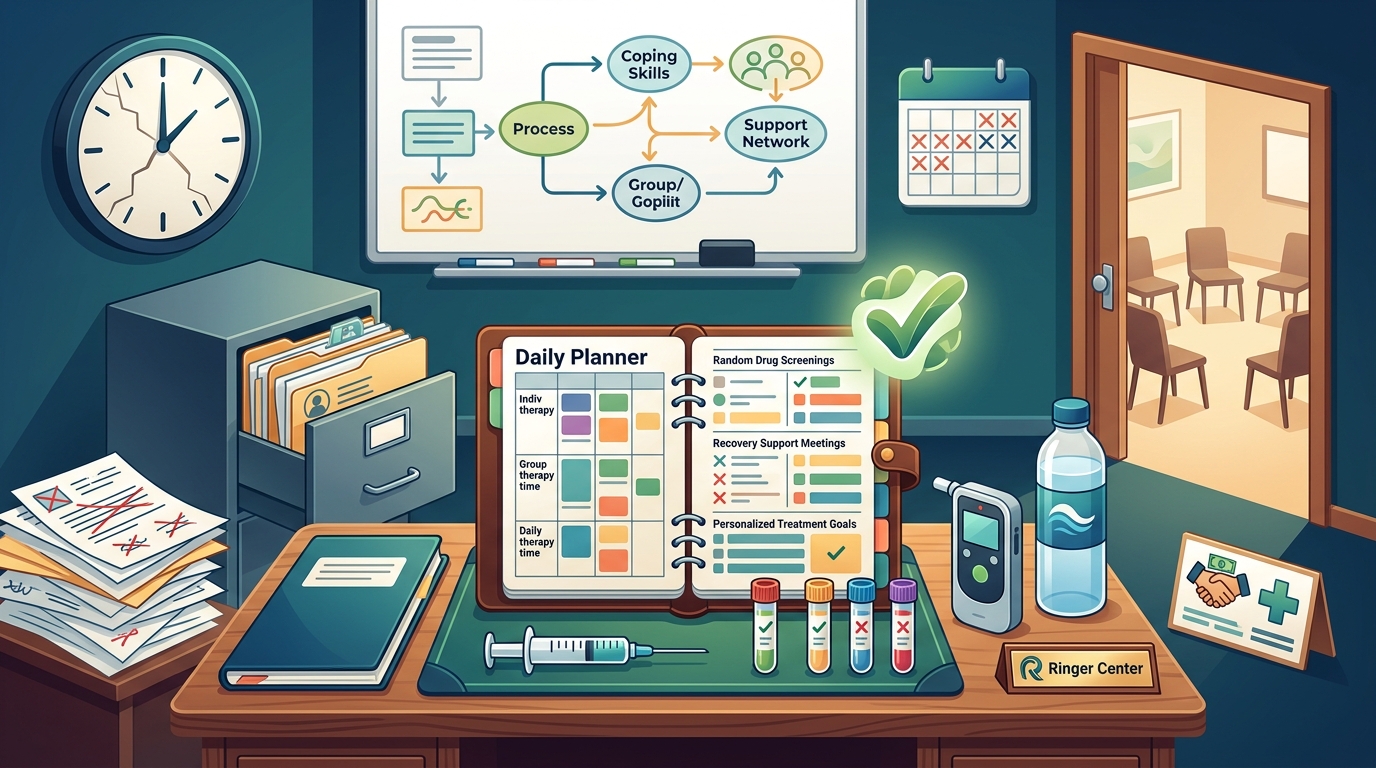
Mistake 5: Failing to Plan for Triggers
Many patients enter treatment with a vague plan to "just say no." This is insufficient. Triggers are specific people, places, or situations that provoke cravings. Without a detailed relapse prevention plan, you are vulnerable to returning to old habits.
During your initial evaluation, our team will utilize a "Bio-Psycho-Social" assessment. This takes into account where you are today and reviews the past few weeks or months to provide insight into your present condition. Use this assessment to identify your specific triggers. Work with your therapist to develop coping strategies for each trigger.
For example, if you used to drink after work, plan a new routine immediately. If certain friends pressure you to drink, establish boundaries or cut contact. The Ringer Center offers individual counseling sessions where you can refine these strategies. Our therapists use Cognitive-Behavioral Therapy, Motivational Enhancement, Reality Therapy, and Rational Emotive Therapy to help you think, feel, or act differently.
Comparing Treatment Levels: IOP vs. Inpatient vs. Detox
Choosing the right level of care is critical. Below is a summary of the services we offer to help you understand your options.
| Service Level | Intensity | Best For | Key Benefit |
|---|---|---|---|
| Intensive Outpatient (IOP) | High (15+ hours/week) | Stable patients needing structure | Flexibility to maintain work/life |
| Outpatient Detox | Medical Supervision | Those avoiding hospital admission | Safe withdrawal in a comfortable setting |
| Individual Therapy | Low (Weekly sessions) | Maintenance and mild issues | Personalized one-on-one support |
| DWI Assessments | Administrative/Clinical | Legal requirements | Walk-in availability and speed |
Key Takeaways
- Time is Critical: IOP requires 15 hours of weekly commitment. Treat it as a full-time job.
- Family Involvement: Tuesday night family sessions are mandatory for holistic recovery.
- Medical Support: Medication management with our psychiatrist and nurse practitioners enhances early recovery.
- Community Matters: The Ringer Center has served Greensboro since 1996, leveraging decades of local expertise.
- Personalized Plans: Our Bio-Psycho-Social evaluation ensures your treatment is tailored to your specific needs.
- Insurance Accessibility: We accept most insurances, Medicaid, and Medicare, and offer payment plans.
- Comprehensive Care: We offer IOP, detox, DWI assessments, and eating disorder treatment under one roof.
Frequently Asked Questions
What is the difference between IOP and traditional outpatient?
IOP involves a much higher frequency of sessions, typically 9-15 hours per week, compared to traditional outpatient which may be one or two hours per week. IOP is designed for those who need more structure than standard therapy but do not require 24-hour inpatient care.
Do you accept insurance for alcohol treatment?
Yes, The Ringer Center accepts most insurances as well as Medicaid and Medicare. We are also willing to work out payment plans to fit any budget, ensuring financial considerations never prevent you from accessing quality care.
Can I attend IOP while working full-time?
Yes, we offer both morning sessions (10:30 am to 1:30 pm) and evening sessions (6:30 pm to 9:30 pm) Monday through Friday. This flexibility allows many clients to maintain their employment while undergoing treatment.
What is the Bio-Psycho-Social evaluation?
This is our initial assessment process that takes into account your biological, psychological, and social history. It helps us create a personalized treatment plan that addresses all aspects of your well-being.
Do you offer Christian counseling?
Yes, we offer Christian counseling options for those who prefer a faith-based approach to their recovery. You can contact Robin Ringer directly to schedule these sessions.
How quickly can I start treatment?
We aim to schedule the initial appointment within seventy-two hours, except on weekends. We also offer walk-in and same-day appointments for DWI assessments.
Start Your Journey to Recovery Today
Avoiding these common mistakes can significantly improve your chances of long-term sobriety. The Ringer Center is here to support you with compassionate, professional care. We are an attractive, comfortable, and clean outpatient facility dedicated to your success. Contact us today to begin your journey toward improved mental health and wellness. Call us at (336) 379-7146 or visit our Contact Us page to schedule your evaluation.