

Essential Components and Standards of Effective Intensive Outpatient Programs
Intensive Outpatient Programs (IOP) have fundamentally transformed the landscape of addiction recovery and mental health treatment. According to recent industry data, IOPs now serve as the primary level of care for a significant majority of individuals seeking substance abuse treatment, effectively replacing conventional 28-day inpatient programs in many cases. This shift is driven by the need for cost-effective, flexible, and community-integrated care that allows patients to maintain their daily responsibilities while receiving rigorous clinical support. Understanding the specific components that define a high-quality IOP is critical for anyone navigating the path to recovery. (Contact the Ringer Center)
The Foundation: Comprehensive Bio-Psycho-Social Evaluation
Effective treatment begins long before the first group session. The cornerstone of any reputable Intensive Outpatient Program is a thorough initial assessment. This process is not merely a formality but a diagnostic roadmap that dictates the entire trajectory of care. At The Ringer Center, this is known as the "Bio-Psycho-Social" evaluation. This model takes into account the biological aspects of addiction, the psychological drivers of behavior, and the social environment that influences recovery.
During this initial session, clinicians review the patient's current condition alongside a history of the past few weeks or months. This ongoing process allows for adjustments as conditions evolve. The goal is to create a personalized treatment plan that addresses the root causes of the individual's struggles, whether they stem from depression, anxiety, substance abuse, or family dynamics. A precise diagnosis is the prerequisite for effective intervention.
For those requiring legal compliance, such as DWI assessments, licensed providers play a crucial role in navigating these strict regulatory requirements. The Ringer Center is one of the few providers credentialed to meet the strict new Department of Transportation guidelines for substance abuse assessment and treatment. This credentialing ensures that clients receive evaluations that are both clinically sound and legally valid.
Core Therapeutic Modalities and Evidence-Based Practices
An effective IOP does not rely on a single approach but integrates multiple evidence-based therapies. The primary modality used at leading facilities is Cognitive-Behavioral Therapy (CBT). CBT is a structured form of psychotherapy that helps individuals identify and change destructive or disturbing thought patterns that have a negative influence on behavior and emotions. It is designed to help people learn new coping skills and develop healthier ways of thinking.
Beyond CBT, effective programs incorporate other powerful therapeutic frameworks. These include Motivational Enhancement Therapy, which helps resolve ambivalence about change, and Reality Therapy, which focuses on present behavior and future choices. Rational Emotive Therapy (RET) is also utilized to challenge irrational beliefs that contribute to emotional distress. These methods are all intended to change how people think, feel, or act, facilitating a path to a healthier and happier life.
For individuals dealing with specific mental health comorbidities, such as mood disorders, the integration of specialized care is vital. Mood is defined as a pervasive ongoing emotion that colors the person’s perception of the world. Disorders in this category require variations in depth, intensity, and duration to be properly evaluated. Effective IOPs ensure that mental health care is not siloed from addiction treatment but is instead woven into the fabric of the recovery plan.
Structural Integrity: Scheduling and Session Frequency
The "intensive" in Intensive Outpatient Program refers to the frequency and duration of care. Historically, this level of care became the norm for substance abuse treatment over the last twenty years. The standard structure involves group sessions meeting four times a week, with each session lasting between two and a half to three hours. This intensity provides enough contact time to build therapeutic momentum without removing the individual from their home environment.
Flexibility is a key advantage of IOPs. Providers typically offer both morning and evening options to accommodate work schedules. For example, morning sessions might run Monday, Wednesday, and Friday from 10:30 am to 1:30 pm, while evening sessions could be held from 6:30 pm to 9:30 pm on the same days. This scheduling allows clients to maintain employment, which is a significant factor in long-term recovery stability.
However, structure must be balanced with support. The Ringer Center offers morning or evening sessions to accommodate for most work schedules. This flexibility ensures that financial responsibilities do not become a barrier to accessing quality behavioral health care. The goal is to empower clients to learn how to use their resources in the community while involved in treatment, rather than waiting until after discharge from an inpatient program.
The Role of Medication-Assisted Treatment
Medication management is a critical component of modern IOPs, particularly for those dealing with substance use disorders and co-occurring mental health conditions. The appropriate use of medication can enhance the early recovery process significantly. This is not about replacing one dependency with another but about stabilizing brain chemistry to allow therapy to be effective.
Common medications used in this context include Antabuse, Campral, and Naltrexone. These are non-addictive medications that help reduce cravings and prevent relapse. The initial evaluation will determine whether your treatment plan will utilize this level of medical support. A psychiatrist or psychiatric nurse practitioner works closely with the clinical team to monitor efficacy and side effects.
At The Ringer Center, we have a psychiatrist and two psychiatric nurse practitioners who provide us with necessary medication management. This integrated care model ensures that medical needs are addressed alongside psychological and social factors. Medication should always be part of a holistic treatment plan.
Family Systems and Support Network Integration
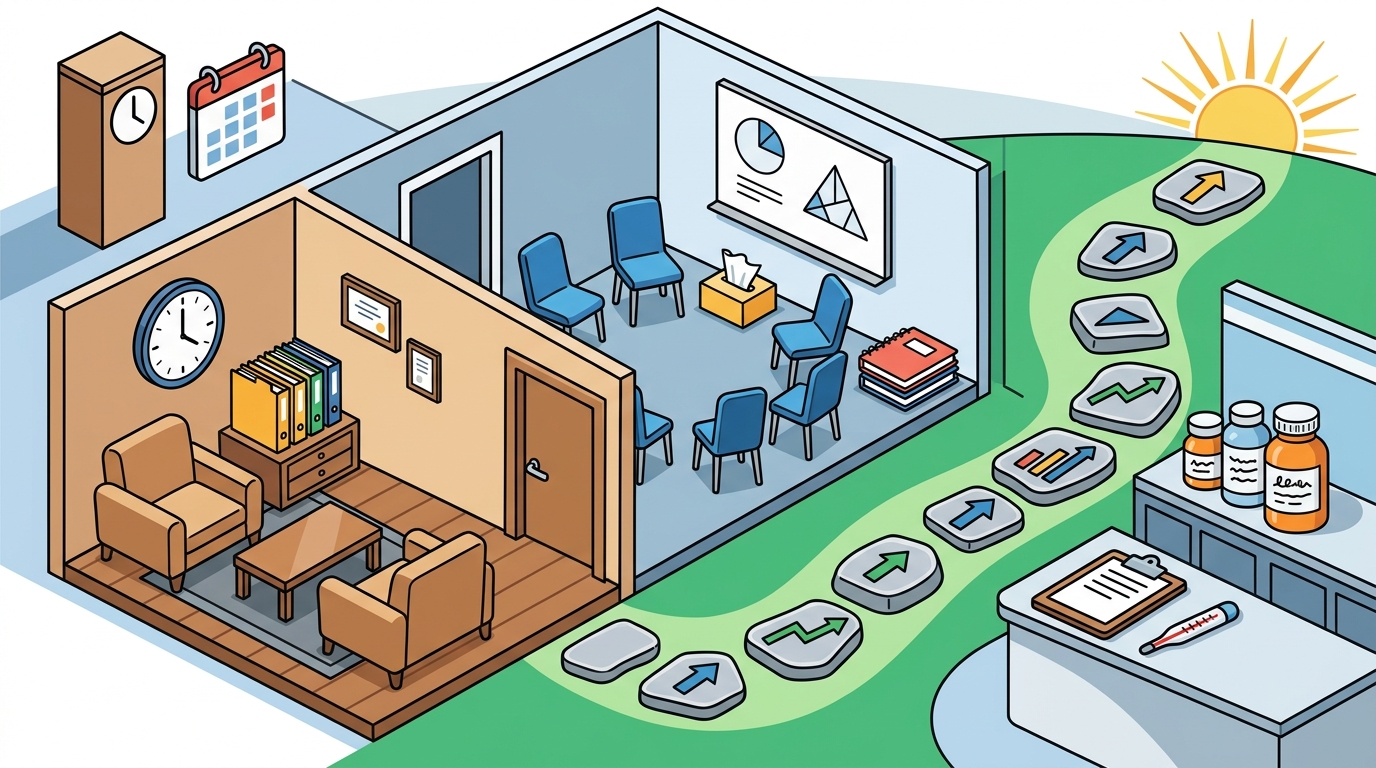
Addiction does not affect only the individual; it ripples through families and communities. Effective IOPs recognize this and include family therapy as a core component. One of the unique and necessary elements found in comprehensive programs are offices that are spacious and comfortable for family therapy sessions. These sessions focus on the effects of substance abuse on family, friends, and the community.
Family sessions are typically held once a week. They provide a safe space for loved ones to learn how to support the client's recovery and to address their own trauma. This approach helps rebuild trust and establishes a support system that is crucial for long-term sobriety. The Ringer Center offers individual counseling or the more intensive outpatient program depending on your level of need, ensuring that the entire family system is considered in the treatment plan.
For those seeking a faith-based approach, Christian counseling is also available. This option integrates spiritual principles with clinical therapy, providing a unique pathway for individuals who find strength in their faith. Call Robin Ringer at 336-542-8833 to schedule this specialized service.
Comparing IOP Standards and Provider Options
Not all Intensive Outpatient Programs are created equal. When selecting a provider, it is essential to evaluate their staffing, credentials, and treatment philosophy. Below is a comparison of key factors to consider when choosing an IOP.
| Feature | Standard IOP | The Ringer Center Approach |
|---|---|---|
| Staffing Model | Often relies on generalist counselors | Psychiatrist, NP, and licensed substance abuse counselors |
| Therapeutic Focus | Variable, often single-modality | Integrated CBT, RET, and Motivational Enhancement |
| Family Involvement | Optional or limited | Weekly dedicated family sessions included |
| Legal Compliance | May lack DOT credentials | Credentialed for DOT and DWI assessments |
| Accessibility | Limited scheduling | Flexible morning and evening sessions |
Key Takeaways
- Comprehensive Evaluation: A Bio-Psycho-Social assessment is the mandatory first step in creating an effective treatment plan.
- Evidence-Based Therapy: Look for programs utilizing Cognitive-Behavioral Therapy, Reality Therapy, and Motivational Enhancement.
- Medical Integration: Effective IOPs include psychiatrists and nurse practitioners for medication management using drugs like Naltrexone.
- Family Support: Weekly family sessions are critical for rebuilding support networks and addressing systemic issues.
- Flexibility: Morning and evening session options are essential for maintaining employment during recovery.
- Specialized Credentials: Providers should be credentialed for specific legal requirements, such as DOT guidelines.
- Long-Term Philosophy: Successful programs focus on community resource utilization and long-term sobriety maintenance.
Frequently Asked Questions
What is the difference between IOP and traditional outpatient therapy?
Intensive Outpatient Programs require a higher frequency of contact, typically four days a week for several hours each, compared to traditional weekly therapy. This intensity allows for more rapid skill-building and support during the critical early stages of recovery.
How long does an Intensive Outpatient Program last?
The duration varies based on individual needs, but many programs last between 8 to 12 weeks. The Ringer Center tailors the length of treatment to the client's progress, ensuring they have the tools needed for long-term success.
Can I work while attending an IOP?
Yes, one of the primary benefits of IOP is its flexibility. With morning and evening session options, most clients can maintain their employment while receiving treatment. The Ringer Center specifically designs schedules to accommodate work commitments.
What types of substance abuse issues are treated in IOP?
IOPs treat a wide range of issues, including alcohol dependence, opioid use disorder, and stimulant abuse. The Ringer Center offers specialized detoxification services and intensive outpatient care for various substances, ensuring comprehensive support.
Is medication management included in IOP?
Yes, effective IOPs often include medication management. At The Ringer Center, a psychiatrist and nurse practitioners provide necessary medication management to support recovery and address co-occurring mental health conditions.
Do you offer DWI assessments?
Yes, we are licensed by the state of NC to provide DWI assessments. We are one of the few providers who are also credentialed to meet the strict new Department of Transportation guidelines for substance abuse assessment and treatment.
What is the cost of an IOP?
Costs vary by insurance and program length. The Ringer Center accepts most insurances, Medicaid, and Medicare. We are also committed to working out payment plans that fit any budget, ensuring financial considerations never prevent access to care.
Begin Your Recovery Journey
If you or a loved one is struggling with substance abuse or mental health challenges, taking the first step is crucial. The Ringer Center has been privileged to serve Greensboro area residents since 1996. We offer a compassionate, professional environment where you are valued as an individual. We will schedule the initial appointment within seventy-two hours and find a way that we can help. Contact a Counselor today to start your journey toward better living.