

Choosing the Right Intensive Outpatient Program for Addiction Recovery
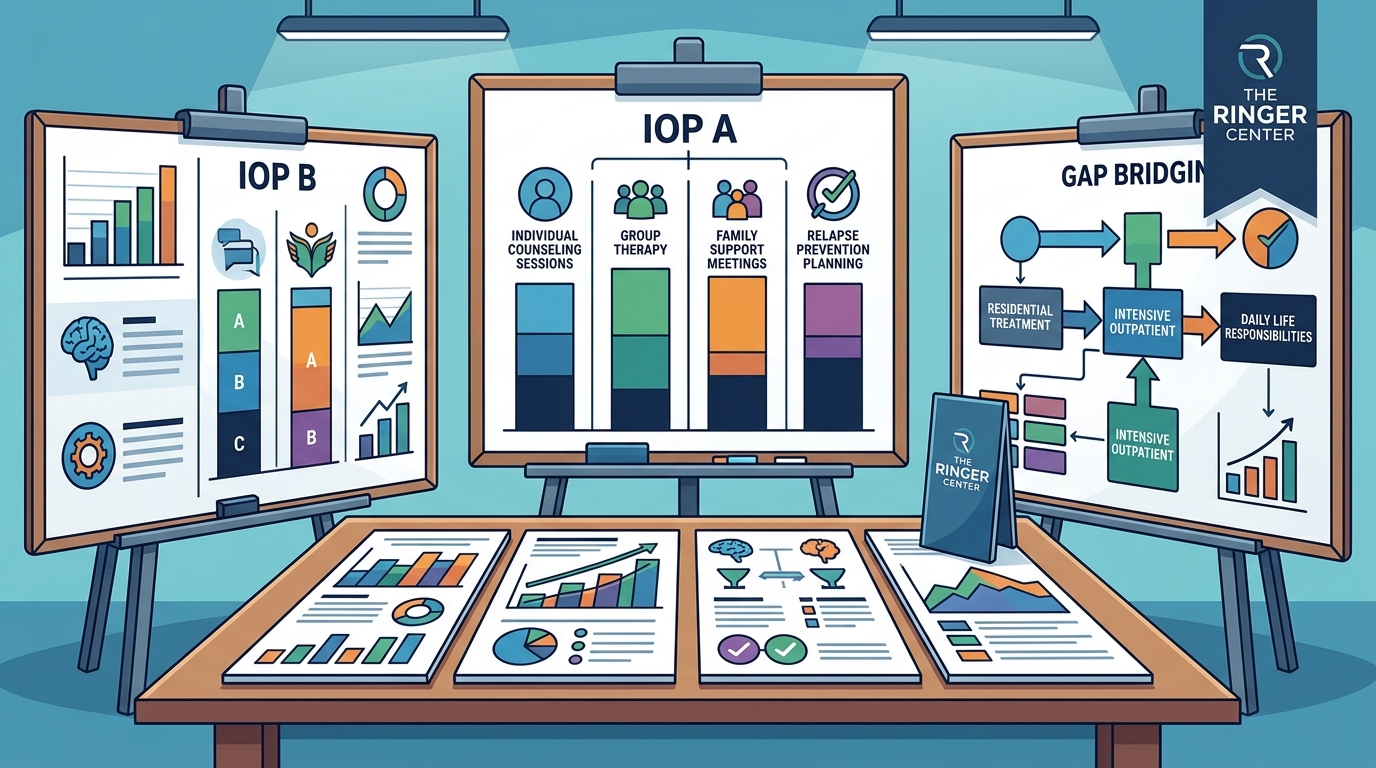
Substance use disorder is a chronic condition that affects millions of individuals and their families across the United States. According to the Substance Abuse and Mental Health Services Administration, nearly 20 million people struggle with addiction, yet only a fraction receive adequate treatment. The gap between inpatient care and standard therapy is often bridged by Intensive Outpatient Programs (IOP), which offer structured support while allowing patients to maintain daily responsibilities. Understanding the nuances of these programs is critical for making an informed decision about recovery.
What Is an Intensive Outpatient Program?
An Intensive Outpatient Program (IOP) is a structured treatment plan for individuals who need more support than standard weekly therapy but do not require 24-hour medical supervision. IOP is a form of outpatient treatment that typically involves attending sessions three to five days a week for several hours each day. This model allows patients to live at home or in a sober living environment while receiving comprehensive care.
The primary goal of an IOP is to stabilize the individual, prevent relapse, and equip them with coping strategies for long-term sobriety. At facilities like The Ringer Center, the approach is holistic, addressing not just the addiction but also the underlying mental health issues such as anxiety, depression, and trauma. This integrated care model ensures that patients receive a complete picture of their health, leading to more sustainable recovery outcomes.
IOP vs. Inpatient Care: Key Differences
Choosing between inpatient and outpatient care is one of the most significant decisions in the recovery journey. Inpatient care, also known as residential treatment, requires patients to live at the facility for 28 to 90 days. This level of care is ideal for those with severe addictions, co-occurring disorders, or unstable home environments. Inpatient care provides a controlled environment free from triggers and distractions.
Conversely, IOP offers flexibility. Patients attend treatment during the day or evening and return home at night. This option is often recommended for those who have completed inpatient treatment and need a step-down level of care, or for individuals with strong support systems at home. According to the National Institute on Drug Abuse, outpatient treatment can be just as effective as inpatient care for many individuals, particularly when they have a stable living situation and high motivation for recovery.
Evaluating Your Treatment Needs
Selecting the right program begins with an honest assessment of your current situation. Several factors influence whether an IOP is the appropriate choice. These include the severity of the addiction, the presence of co-occurring mental health disorders, and personal responsibilities such as work or family care.
Severity of Addiction
Individuals with mild to moderate substance use disorders often thrive in IOP settings. Those with severe physical dependencies may require medical detoxification first. Medical detox is a critical first step for safely managing withdrawal symptoms before entering any therapeutic program.
Co-occurring Disorders
Many individuals struggle with both addiction and mental health issues, a condition known as dual diagnosis. Effective IOPs must have the clinical expertise to treat both simultaneously. Look for programs that offer integrated care, where psychiatrists, nurse practitioners, and therapists collaborate on your treatment plan.
Support System
A strong support network is vital for outpatient success. If you have family members or friends who understand your recovery goals and can provide a sober environment, IOP may be a viable option. If your home environment is unstable or filled with triggers, inpatient care might be necessary initially.
Understanding Program Structure and Schedule
The structure of an IOP varies by facility, but most follow a consistent framework. Programs typically run for 8 to 12 weeks, with sessions lasting 2 to 4 hours per day. The frequency of attendance is usually three to five days per week. This schedule allows patients to maintain employment or attend school while committing to their recovery.
At The Ringer Center in Greensboro, the IOP schedule is designed to accommodate diverse lifestyles. Morning sessions are available for those who prefer to start their day with treatment, while evening sessions cater to working professionals. This flexibility is a key advantage of outpatient care, reducing the disruption to daily life while ensuring consistent therapeutic engagement.
Group Therapy
Group therapy is the cornerstone of most IOPs. It provides a space for patients to share experiences, learn from peers, and develop social skills. Groups are often facilitated by licensed clinicians who guide discussions and ensure a safe, supportive environment.
Individual Counseling
Individual therapy sessions are tailored to the specific needs of each patient. These one-on-one meetings allow for deeper exploration of personal issues, trauma, and triggers. Individual counseling provides personalized attention that is essential for addressing unique challenges in recovery.
Family Involvement
Family therapy is a crucial component of many IOPs. Addiction affects not just the individual but the entire family system. Involving loved ones in the treatment process helps repair relationships, educate family members about addiction, and build a stronger support network for the patient.
Therapeutic Modalities and Evidence-Based Care
Effective IOPs utilize evidence-based therapeutic modalities to treat addiction. These approaches are grounded in scientific research and have been proven to reduce relapse rates and improve quality of life.
Cognitive Behavioral Therapy (CBT)
Cognitive Behavioral Therapy is one of the most widely used treatments for addiction. It helps patients identify and change negative thought patterns and behaviors that contribute to substance use. CBT teaches practical coping skills that patients can use to manage stress and avoid triggers in their daily lives.
Motivational Enhancement Therapy (MET)
Motivational Enhancement Therapy is designed to resolve ambivalence about change. Many individuals enter treatment with mixed feelings about sobriety. MET helps them find their own internal motivation to commit to recovery, making the process more sustainable.
Medication-Assisted Treatment (MAT)
For some patients, medication is a vital part of recovery. Medications such as Naltrexone, Acamprosate, and Disulfiram can help reduce cravings and prevent relapse. Medication management is often integrated into IOPs to ensure patients receive comprehensive care. At The Ringer Center, psychiatric nurse practitioners and psychiatrists work closely with therapists to determine the appropriate medication plan for each individual.
Financial Considerations and Insurance
The cost of treatment is a significant concern for many individuals seeking help. Fortunately, most health insurance plans cover addiction treatment, including IOP. Under the Affordable Care Act, mental health and substance use disorder services are considered essential health benefits. This means that insurance providers must offer coverage for these services, though out-of-pocket costs may vary.
When evaluating an IOP, it is important to verify insurance coverage and understand your policy details. Ask about copays, deductibles, and the number of covered sessions. Some facilities, like The Ringer Center, accept Medicaid and Medicare, making treatment accessible to a wider range of patients. They also offer flexible payment plans to ensure that financial constraints do not prevent individuals from receiving the care they need.
Sliding Scale Fees
For those without insurance, some facilities offer sliding scale fees based on income. This ensures that treatment is affordable for everyone, regardless of their financial situation. Always inquire about financial assistance options when contacting a treatment center.
Key Takeaways
- IOP Flexibility: Intensive Outpatient Programs offer structured treatment while allowing patients to maintain work and family responsibilities, typically involving 3-5 days of sessions per week.
- Evidence-Based Care: Effective IOPs utilize modalities such as Cognitive Behavioral Therapy (CBT), Motivational Enhancement Therapy (MET), and Medication-Assisted Treatment (MAT).
- Integrated Treatment: Successful programs address co-occurring mental health disorders alongside addiction, often involving psychiatrists and nurse practitioners in the care team.
- Family Involvement: Family therapy is a critical component of IOP, helping to repair relationships and build a supportive home environment for recovery.
- Insurance Accessibility: Most insurance plans, including Medicaid and Medicare, cover IOP services, and many facilities offer payment plans to accommodate financial needs.
- Step-Down Care: IOP is often used as a step-down from inpatient care, providing a transitional period to reintegrate into daily life with continued support.
- Professional Expertise: Look for facilities with licensed clinicians, including Licensed Marriage and Family Therapists (LMFTs) and certified substance abuse counselors.
Frequently Asked Questions
How long does an Intensive Outpatient Program typically last?
Most IOPs last between 8 to 12 weeks. The duration depends on the individual's progress, the severity of their addiction, and the specific treatment plan developed by the clinical team.
Can I work while attending an IOP?
Yes, one of the primary benefits of IOP is its flexibility. Many programs offer morning or evening sessions specifically designed to accommodate working professionals, allowing you to maintain your employment while in treatment.
What is the difference between IOP and PHP?
Partial Hospitalization Programs (PHP) are more intensive than IOP, typically requiring 6-8 hours of treatment per day, five days a week. IOP usually involves 3-4 hours of treatment per day. PHP is often a step-down from inpatient care, while IOP is a step-down from PHP or a standalone option for those with strong support systems.
Does insurance cover Intensive Outpatient Programs?
Yes, most health insurance plans, including those under the Affordable Care Act, cover addiction treatment services. It is important to verify your specific policy details, including copays and deductibles, with your insurance provider and the treatment facility.
What types of therapy are used in IOP?
IOPs typically use evidence-based therapies such as Cognitive Behavioral Therapy (CBT), Dialectical Behavior Therapy (DBT), Motivational Enhancement Therapy (MET), and group therapy. Medication-Assisted Treatment (MAT) may also be included for certain substances.
Is family therapy included in IOP?
Many IOPs include family therapy sessions. This is crucial for addressing the impact of addiction on family dynamics and building a supportive home environment. The Ringer Center offers specific family sessions to support this process.
What happens during the initial evaluation?
The initial evaluation, often called a Bio-Psycho-Social assessment, helps clinicians understand your medical history, mental health status, and social circumstances. This assessment is used to create a personalized treatment plan tailored to your specific needs.
Start Your Recovery Journey
Choosing the right Intensive Outpatient Program is a pivotal step toward lasting recovery. By understanding the differences between treatment levels, evaluating your specific needs, and considering financial options, you can make an informed decision that supports your long-term health. If you or a loved one is struggling with addiction, do not wait to seek help. Contact The Ringer Center today to schedule an initial evaluation and begin your journey to a healthier, happier life.