

Substance use disorders affect millions of individuals annually, yet the traditional model of care is shifting rapidly. According to recent data from the Substance Abuse and Mental Health Services Administration, intensive outpatient programs (IOP) have become the standard of care for many, effectively replacing conventional 28-day inpatient stays for a significant portion of the patient population. This shift is driven by the need for accessible, cost-effective treatment that allows individuals to maintain their daily responsibilities while receiving rigorous clinical support. (The Ringer Center Greensboro)
Understanding the IOP Structure
An intensive outpatient program is defined as a structured treatment model that provides therapeutic services for several hours a week without requiring overnight stays. This level of care has evolved over the last twenty years to become the norm for substance abuse treatment, offering a critical bridge between inpatient hospitalization and standard weekly counseling. (The Ringer Center Greensboro)
The schedule is designed to accommodate working professionals and parents. At The Ringer Center, clients can choose between morning or evening sessions to fit their work schedules. Morning sessions typically run from 10:30 am to 1:30 pm, while evening sessions are held from 6:30 pm to 9:30 pm. These sessions occur Monday, Wednesday, and Friday, providing a consistent rhythm of care that reinforces learning and accountability. (Outpatient Services Greensboro NC)
Each session lasts approximately two and a half to three hours. This duration allows for deep clinical work, including group therapy, individual counseling, and educational workshops. The goal is to teach clients how to use their community resources effectively while still in treatment, rather than waiting until after discharge from an inpatient facility. This approach ensures that the skills learned are immediately applicable to real-world triggers and stressors.
Clinical Methods and Therapy
Effective recovery requires more than just abstinence; it requires a fundamental change in thinking, feeling, and acting. The Ringer Center practices primarily Cognitive-Behavioral Therapy (CBT), which is a method of learning intended to help people identify and change destructive or disturbing thought patterns that have a negative influence on behavior and emotions.
Our person-centered approach to treatment planning integrates several evidence-based modalities:
- Motivational Enhancement: This technique helps clients resolve ambivalence about quitting substance use and builds internal motivation for change.
- Reality Therapy: This focuses on present behaviors and choices, helping clients take responsibility for their actions and develop a plan for success.
- Rational Emotive Therapy (RET): This method challenges irrational beliefs that contribute to anxiety and depression, replacing them with more rational, healthy perspectives.
The initial session for any patient involves a "Bio-Psycho-Social" evaluation. This process takes into account where the patient is today and reviews the past few weeks or months to provide insight into their present condition. This evaluation is ongoing, as conditions can change during the first few weeks of treatment. Our team ensures that this process provides helpful awareness rather than discomfort, respecting the patient's readiness to share.
Medication Management in Recovery
Recovery is a multifaceted process that often requires medical support alongside psychological therapy. The appropriate use of medication management has proven to enhance the early recovery process significantly. Our team includes a psychiatrist and two psychiatric nurse practitioners who provide necessary medication management services.
For substance abuse treatment, medications such as Antabuse, Campral, and Naltrexone are commonly utilized. These non-addictive medications help reduce cravings and block the euphoric effects of alcohol or opioids, making it easier for patients to maintain sobriety. Our counselors work closely with our medical staff to determine the best possible approach for each individual's emotional and physical health.
Depression and anxiety often co-occur with substance use disorders. Mood is defined as a pervasive ongoing emotion that colors a person’s perception of the world. These disorders can have variations in depth, intensity, duration, and fluctuations. It is vital to the recovery process that the person be appropriately evaluated in all of these variations. Mood disorders are always manageable and sometimes can be totally resolved with psychotherapy alone, though medications are often useful in treatment as well.
The Role of Family Therapy
Substance abuse affects not just the individual but the entire family system. Once a week, The Ringer Center offers a family session where clients are encouraged to attend with family members or those who are supportive of their recovery. These sessions focus on the effects of substance abuse on the family, friends, and community.
We provide specialized support for family dynamics through our licensed Marriage and Family Therapists. The LMFT designation indicates that these therapists have spent over three hundred hours in education and training to work specifically with couples and families. There are specific approaches to treatment that should not be practiced without skillful experience, such as those found with our therapists.
Our offices are spacious and comfortable for family therapy sessions, creating a safe environment for difficult conversations. We also offer Christian counseling options for those who wish to integrate their faith into their recovery journey. By involving the support system, we help rebuild trust and establish healthy boundaries that support long-term sobriety.
IOP vs. Inpatient Care
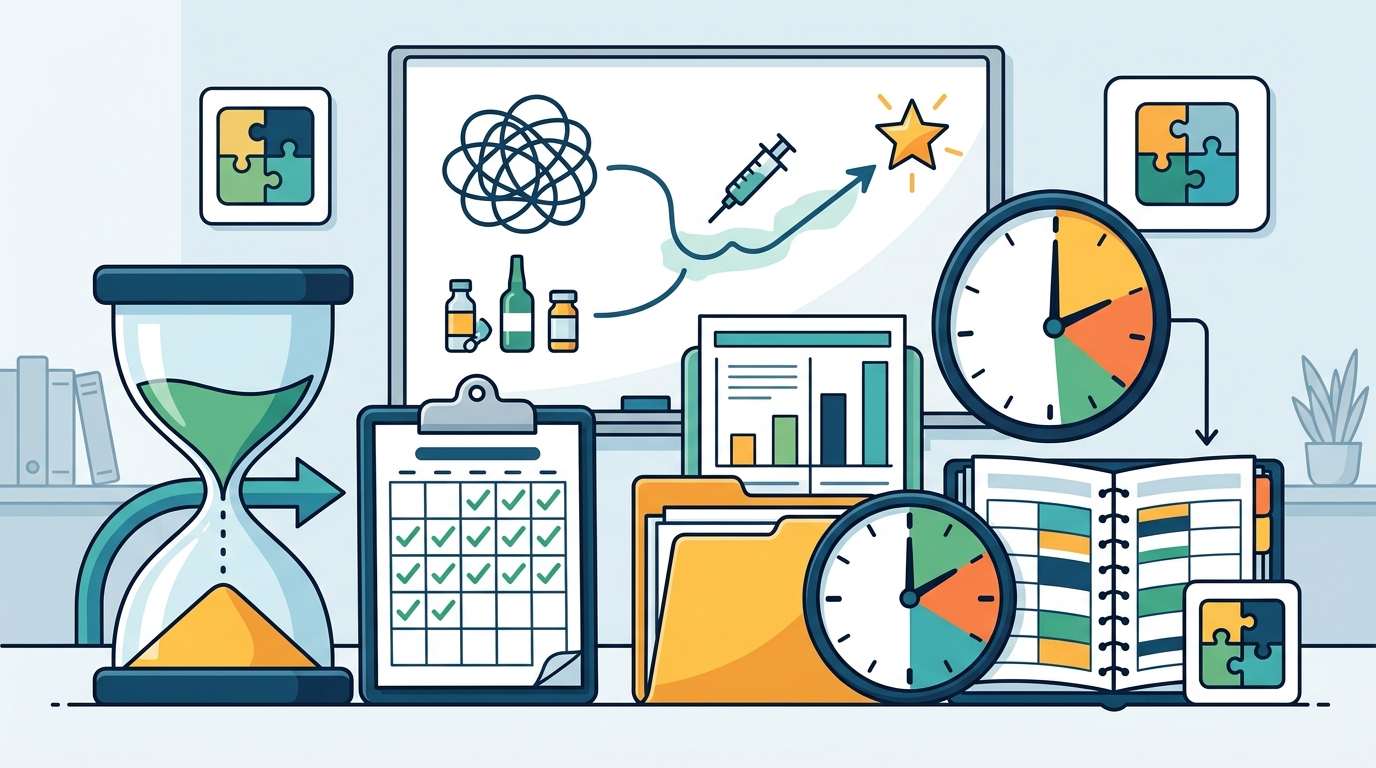
Choosing between intensive outpatient and inpatient care is a critical decision. The IOP level of care is considerably less expensive than inpatient treatment and allows clients to learn how to use their resources in the community while involved in treatment. This is a key advantage over traditional 28-day programs, where clients often return to the same environment without having practiced coping skills in real-time.
| Feature | Intensive Outpatient Program (IOP) | Inpatient Treatment |
|---|---|---|
| Schedule | 3-4 days per week, 2.5-3 hours per session | 24/7 residential stay |
| Cost | Considerably less expensive | Higher cost due to room and board |
| Work/School | Can often maintain responsibilities | Requires time off work or school |
| Support | Includes family and community resources | Isolated from daily triggers |
| Medication | Managed by onsite psychiatrist/NP | Managed by onsite medical team |
For those who may not afford inpatient care or elect to try detoxifying from alcohol or other drugs without a hospital admission, we offer outpatient detoxification services. Our substance abuse services are second to none, and we follow a twelve-stepped based philosophy. We have seven clinicians, three of whom are licensed substance abuse counselors and who are also recovering themselves, bringing a combined forty years of experience to our practice.
Key Takeaways
- Proven Efficacy: IOP has replaced conventional 28-day inpatient programs as the norm for many patients, offering comparable outcomes at a lower cost.
- Flexible Scheduling: Morning and evening sessions allow clients to maintain employment and family responsibilities during treatment.
- Comprehensive Care: Treatment includes group therapy, individual counseling, psychiatric review, and family sessions.
- Medical Support: Onsite psychiatrist and nurse practitioners provide medication management for cravings and co-occurring disorders.
- Specialized Expertise: Licensed Marriage and Family Therapists with over 300 hours of specialized training address relationship dynamics.
- Accessibility: The Ringer Center accepts most insurances, Medicaid, and Medicare, and offers payment plans to fit any budget.
- Long History: Serving the Greensboro area since 1996, the center has a long track record of successful recoveries.
Frequently Asked Questions
What is the difference between IOP and standard outpatient counseling?
Intensive Outpatient Programs require a higher commitment of time, typically meeting three to four times a week for several hours each session. Standard outpatient counseling usually involves one hour per week. IOP provides a more structured environment that mimics the support of inpatient care while allowing the patient to live at home.
How long does an intensive outpatient program last?
The duration varies based on individual needs and progress. However, the initial evaluation will determine the appropriate treatment plan. Many clients attend IOP for several weeks to months, gradually stepping down to less frequent counseling as they stabilize.
Do you offer DWI assessments?
Yes, we are licensed by the state of NC to provide DWI assessments. We are one of the few providers who are also credentialed to meet the strict new Department of Transportation guidelines for substance abuse assessment and treatment. We were also selected by the Guilford County Court System to provide "The First Offenders Program." Walk-in and same-day appointments are available to make the process simple.
Can I attend IOP while working full-time?
Yes, the program is designed for this purpose. We offer morning sessions (10:30 am to 1:30 pm) and evening sessions (6:30 pm to 9:30 pm) on Mondays, Wednesdays, and Fridays. This flexibility allows most working professionals to attend without taking significant time off work.
What types of therapy do you use?
We primarily practice Cognitive-Behavioral Therapy (CBT). We also utilize Motivational Enhancement, Reality Therapy, and Rational Emotive Therapy (RET). These methods are intended to change how people think, feel, or act, helping them find a path to a healthier and happier life.
Do you accept insurance?
We accept most insurances as well as Medicaid and Medicare. We are also willing to work out payment plans to fit any budget, ensuring that financial considerations never prevent access to quality behavioral health care.
Is Christian counseling available?
Yes, we offer Christian counseling options for those who wish to integrate their faith into their recovery. You can call Robin Ringer at 336-542-8833 to schedule this specific type of counseling.
Begin Your Recovery Journey
If you or someone you know might benefit from some help, please give us a call today. We will schedule the initial appointment within seventy-two hours (except weekends) and find a way that we can help. Our goal is ensuring financial considerations never prevent you from accessing the quality behavioral health care you deserve. Contact The Ringer Center today to begin your journey toward improved mental health and wellness by visiting our contact page or calling (336) 379-7146.