

The Science Behind Medication Assisted Treatment
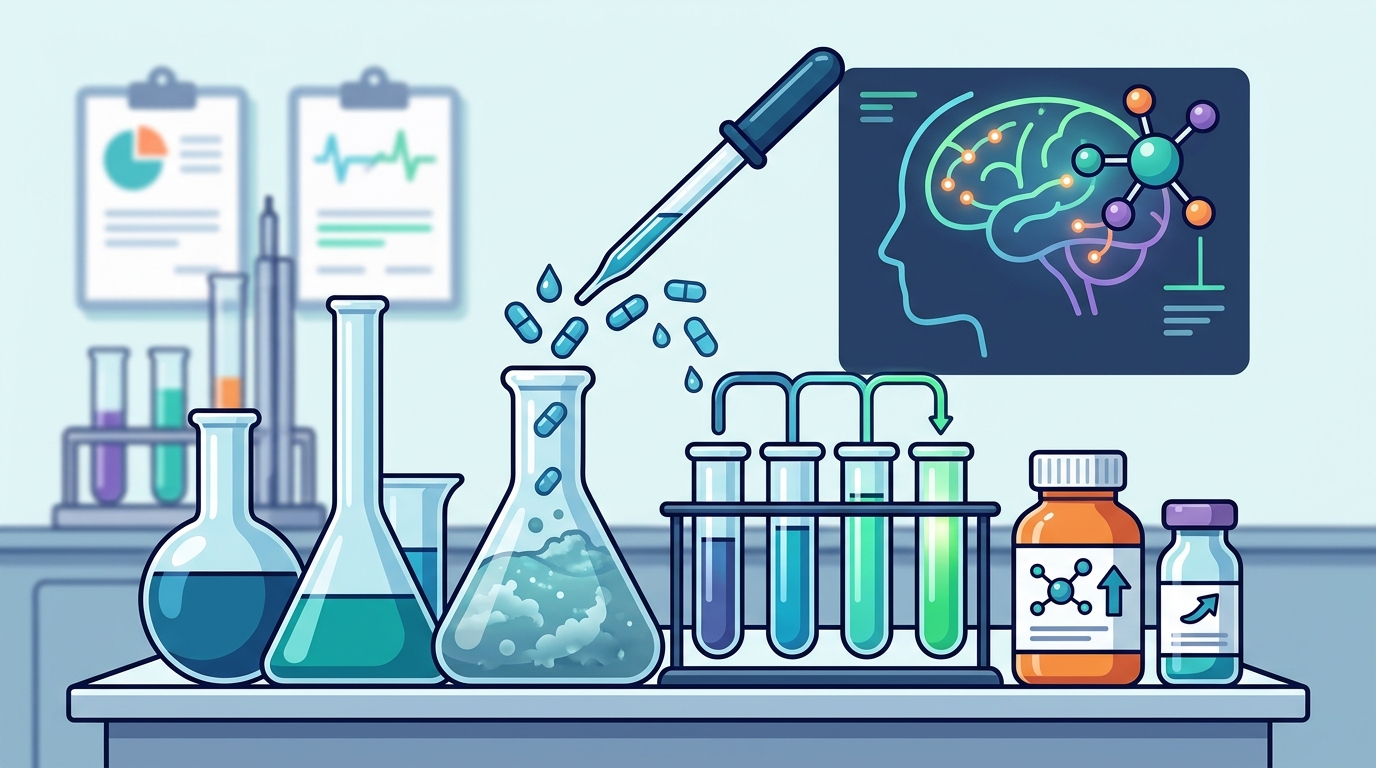
Medication Assisted Treatment is the use of FDA-approved medications in combination with counseling and behavioral therapies to provide a comprehensive approach to the treatment of substance use disorders. The primary goal is not to replace one drug with another, but to restore balance to brain systems that have been disrupted by long-term substance use. When the brain is exposed to opioids or alcohol, it adapts by reducing its own production of natural chemicals. MAT medications help normalize these chemical processes, allowing the brain to function more normally. For additional details, review the Customer Experience.
Research consistently shows that MAT reduces the risk of overdose and death. By stabilizing patients, these treatments allow them to engage in therapy and rebuild their lives. The Ringer Center in Greensboro, NC, integrates these evidence-based practices into its outpatient services, ensuring that patients receive care that is both medically sound and personally tailored. This scientific foundation is what distinguishes MAT from unproven or purely abstinence-based models that may not address the underlying physiological dependence. For additional details, review the Frequently Asked Questions.
Addressing Physical Dependence and Cravings
One of the most significant barriers to recovery is among the intense physical craving for substances. MAT directly targets this barrier by using medications to reduce or eliminate cravings. For opioid use disorder, medications like methadone, buprenorphine, and naltrexone are commonly used. These medications work by binding to opioid receptors in the brain, preventing the rush of euphoria while avoiding the negative effects of withdrawal. This stabilization is critical because it allows patients to focus on the psychological and social aspects of their recovery. For additional details, review the About.
For alcohol use disorder, medications such as naltrexone, acamprosate, and disulfiram are often prescribed. Naltrexone, for example, blocks the pleasurable effects of alcohol, which can reduce the desire to drink. By managing the physical symptoms of addiction, MAT creates a stable platform for behavioral change. At The Ringer Center, clinicians work closely with psychiatrists to determine the most appropriate medication for each patient, ensuring that the treatment plan addresses their specific medical history and needs.
Combining Medication with Behavioral Therapy
Access to Care and Insurance Coverage
A common concern for many individuals is among the cost of treatment. However, MAT is widely covered by insurance, including Medicare and Medicaid. The Ringer Center accepts both Medicare and Medicaid, making evidence-based treatment accessible to a broader population. This coverage is crucial because it removes financial barriers that might otherwise prevent individuals from seeking help. By offering comprehensive outpatient services, The Ringer Center ensures that patients can receive the care they need without the burden of out-of-pocket expenses.
Access to care is not just about insurance; it is also about the availability of qualified providers. In Greensboro, NC, The Ringer Center provides a trusted environment where patients can receive personalized care. The facility's commitment to using evidence-based practices ensures that patients are receiving the highest standard of care. For those who are unsure about their insurance coverage, the team at The Ringer Center can help navigate the process and answer any questions about benefits.
Long-Term Outcomes and Sustained Recovery
The ultimate measure of MAT's effectiveness is its impact on long-term recovery. Studies have shown that patients who use MAT are more likely to remain in treatment and less likely to relapse compared to those who do not use medication. This sustained engagement with treatment is a strong predictor of long-term success. By reducing the risk of relapse, MAT helps individuals maintain their progress and build a stable, healthy life.
Key Takeaways
- Medication Assisted Treatment (MAT) is an evidence-based approach that combines FDA-approved medications with counseling and behavioral therapies.
- MAT significantly reduces the risk of overdose, death, and relapse by stabilizing brain chemistry and reducing cravings.
- Combining medication with behavioral therapies like CBT addresses both the physical and psychological aspects of addiction.
- Medicare and Medicaid coverage makes MAT accessible to a broader population, reducing financial barriers to care.
- Long-term success in recovery is more likely when patients remain engaged in treatment and receive ongoing support.
Medication Assisted Treatment is among the use of FDA-approved medications in combination with counseling and behavioral therapies to provide a comprehensive approach to the treatment of substance use disorders.
Frequently Asked Questions
What is Medication Assisted Treatment (MAT)?
Medication Assisted Treatment is among the use of FDA-approved medications in combination with counseling and behavioral therapies to provide a comprehensive approach to the treatment of substance use disorders.
Does MAT replace one drug with another?
Is MAT only for opioid addiction?
No, MAT is used for both opioid and alcohol use disorders. For opioid use disorder, medications like methadone and buprenorphine are common, while for alcohol use disorder, medications like naltrexone and acamprosate are often prescribed.
Does The Ringer Center accept insurance for MAT?
Yes, The Ringer Center accepts Medicare and Medicaid, making evidence-based treatment accessible to a broader population. The team can help navigate insurance coverage and answer questions about benefits. Learn more: ringercenters com.