

What to Know About Finding Therapy Services in Greensboro That Take Medicare
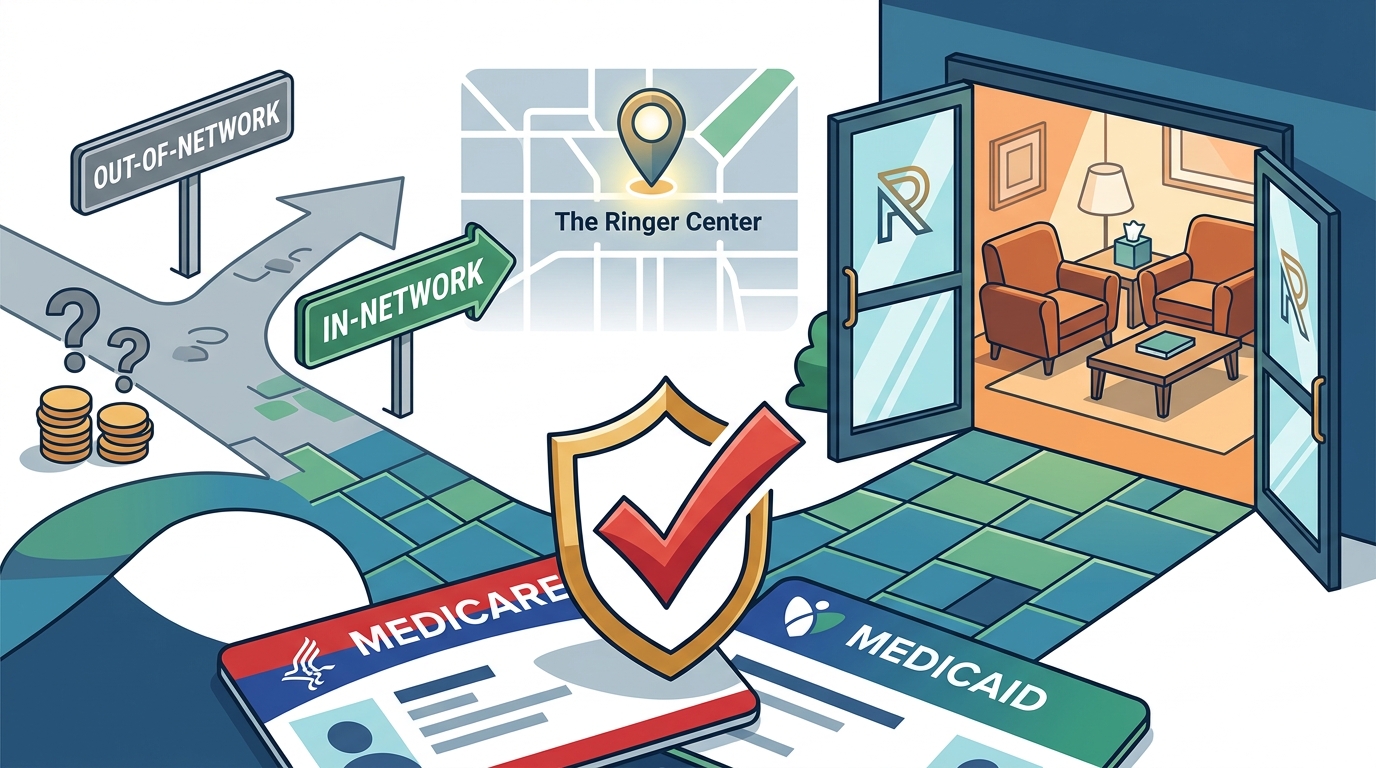
When searching for therapy in Greensboro, NC, you should verify that the provider accepts your specific Medicare plan and that the services you need are covered benefits. The Ringer Center is a local outpatient facility that accepts Medicare and Medicaid, offering personalized counseling rooted in respect and accessibility. Understanding the difference between in-network and out-of-network providers is critical to avoiding unexpected out-of-pocket costs during your mental health journey. according to Obesity behavioral therapy
Understanding Medicare Mental Health Coverage
Medicare is a federal health insurance program that provides coverage for millions of Americans, including those aged 65 and older and certain individuals with disabilities. Under Medicare Part B, outpatient mental health services, such as psychotherapy and counseling, are generally covered. However, the specific benefits available depend on your plan type and the provider's participation status. It is essential to distinguish between Original Medicare and Medicare Advantage plans, as the latter often have different network requirements and cost-sharing structures.
Medicare coverage for behavioral health is not a one-size-fits-all benefit. While the program covers diagnostic evaluations and therapy sessions, it may have limits on the number of visits or specific types of treatment. For example, intensive outpatient programs or certain specialized therapies might require prior authorization. Patients should review their plan documents or contact their Medicare administrator to understand their specific coverage limits and deductibles before beginning treatment.
Verifying Provider Participation in Greensboro
Not all mental health providers in Greensboro accept Medicare, and those that do may have different participation levels. A provider can be in-network, meaning they have a contract with your Medicare plan and accept the approved amount as full payment, or out-of-network, where you may be responsible for the difference between the provider's fee and the Medicare-approved amount. The Ringer Center operates as an outpatient facility in Greensboro that accepts Medicare, ensuring that patients can access care without the financial burden of out-of-network billing.
When verifying a provider, you should check the Medicare Care Compare tool or contact the provider's billing office directly. It is important to ask specific questions about whether the provider accepts Medicare as primary insurance and if they participate in the program as a full participant. Some providers may accept Medicare but not participate in the program, which can lead to balance billing. Confirming these details upfront helps you budget accurately and avoid surprises on your insurance statement.
Types of Therapy Services Covered
Medicare covers a range of mental health services, including individual psychotherapy, group therapy, and family counseling. The type of therapy covered depends on the diagnosis and the treatment plan established by a qualified healthcare professional. Cognitive-Behavioral Therapy (CBT) is a widely recognized and covered treatment modality for conditions such as depression, anxiety, and substance use disorders. The Ringer Center practices primarily Cognitive-Behavioral Therapy, aligning with evidence-based approaches that Medicare typically covers for eligible beneficiaries.
Navigating the Intake and Scheduling Process
During the intake process, you will need to provide your Medicare number and any supplemental insurance information. The provider's billing team will verify your benefits and explain your cost-sharing responsibilities, such as copayments and deductibles. It is important to ask about any pre-authorization requirements for specific types of therapy or extended treatment plans. This proactive approach helps streamline the administrative side of care, allowing you to focus on your healing process.
Key Takeaways
- Medicare Part B generally covers outpatient mental health services, including psychotherapy and counseling.
- Verify that a provider accepts Medicare as primary insurance and participates in the program to avoid balance billing.
- The Ringer Center in Greensboro accepts Medicare and Medicaid, offering accessible and personalized care.
- Cognitive-Behavioral Therapy (CBT) is a common evidence-based treatment modality covered by Medicare for various mental health conditions.
- Substance use disorder services, including behavioral therapy, are covered under Medicare's outpatient benefits.
- Providers like The Ringer Center schedule initial appointments within seventy-two hours to ensure timely access to care.
- Always confirm your specific plan's coverage limits and prior authorization requirements before starting treatment.
Frequently Asked Questions
Does Medicare cover outpatient therapy in Greensboro?
Yes, Medicare Part B covers outpatient mental health services, including psychotherapy and counseling, for eligible beneficiaries in Greensboro and other areas.
How do I know if a therapist accepts Medicare?
You can verify a provider's Medicare participation by checking the Medicare Care Compare tool or contacting the provider's billing office directly to confirm their network status.
What is the difference between in-network and out-of-network Medicare providers?
In-network providers have a contract with your Medicare plan and accept the approved amount as full payment, while out-of-network providers may charge you the difference between their fee and the Medicare-approved amount.
Does The Ringer Center accept Medicare?
Yes, The Ringer Center is a Greensboro outpatient facility that accepts Medicare and Medicaid, providing counseling and treatment for a variety of life's issues.
What types of therapy does Medicare cover?
Medicare covers individual psychotherapy, group therapy, family counseling, and substance use disorder services, including behavioral therapy and medication-assisted treatment when appropriate.
Do I need a referral to start therapy with Medicare?
Some providers require a referral from a primary care physician or psychiatrist, while others may accept self-referrals. It is best to check with the specific provider's intake requirements.