

How Long Does Intensive Outpatient Treatment Actually Take to See Real Results?
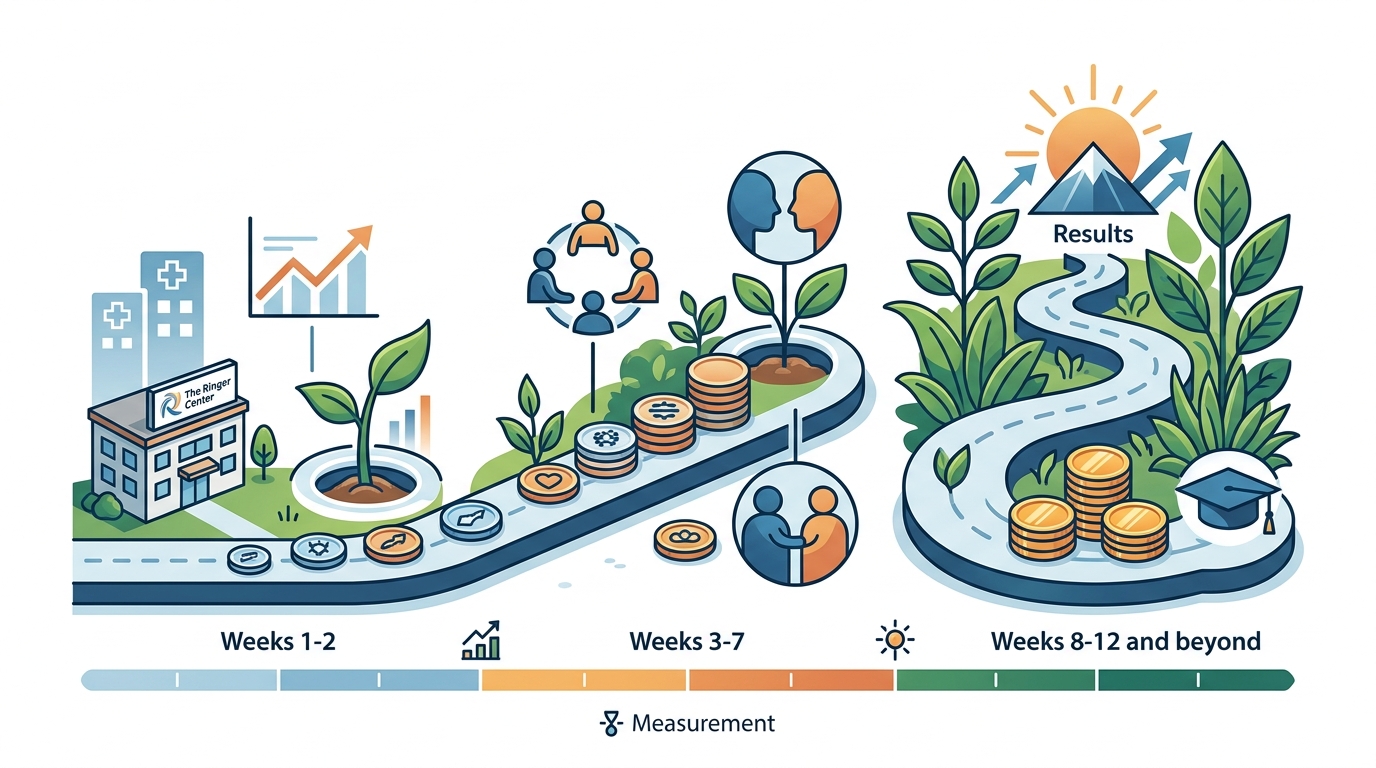
Intensive outpatient treatment (IOP) typically takes 8 to 12 weeks to produce significant, measurable improvements in mental health and substance use behaviors. While some individuals report feeling better within the first two weeks, sustained recovery and skill retention generally require the full duration of the program. At The Ringer Center in Greensboro, NC, clinicians tailor this timeline to each patient's specific clinical needs, ensuring that progress is both realistic and durable. For additional details, review the ringercenters com.
The Standard Timeline for IOP Progress
Intensive outpatient treatment is a structured form of behavioral health care that allows patients to live at home while receiving frequent therapy sessions. The standard duration for most IOP programs is between 8 and 12 weeks. This timeframe is not arbitrary; it is designed to provide enough contact hours for patients to learn coping mechanisms, process trauma, and build a support network. During the first two weeks, the primary focus is on stabilization and engagement. Patients learn the basics of their treatment plan and begin to identify triggers. By weeks three through six, the focus shifts to skill acquisition and behavioral change. This is where the most noticeable shifts in daily functioning often occur.
At The Ringer Center, our clinicians monitor progress through regular assessments rather than just calendar dates. We recognize that while the program may last 12 weeks, the "aha" moments often happen earlier. However, relying on early relief can be dangerous. Patients who stop treatment after feeling better for a few weeks are at a higher risk of relapse. The full duration ensures that new behaviors become automatic habits rather than temporary fixes.
Factors That Influence Individual Speed of Recovery
Another critical factor is the patient's level of engagement. IOP requires active participation, including homework and attendance at all sessions. Patients who fully commit to the process tend to see results faster than those who attend passively. At The Ringer Center, we emphasize that treatment is a partnership. Our team works with each individual to identify their specific barriers to progress and adjust the care plan accordingly. This personalized approach helps ensure that the timeline aligns with the patient's actual capacity for change.
Measuring "Real Results" in Behavioral Health
It is important to distinguish between feeling better and being well. Feeling better is a temporary state, while being well is a sustained condition. Real results in IOP are marked by the patient's ability to handle stress without reverting to old coping mechanisms. At The Ringer Center, we use standardized scales to track these changes over time. This data helps both the patient and the clinician see the trajectory of recovery. It provides objective evidence that the treatment is working, even when the patient's subjective feelings fluctuate.
The Role of Aftercare in Sustaining Results
Key Takeaways
- Intensive outpatient treatment typically lasts 8 to 12 weeks for significant, sustained results.
- Early improvements may occur within the first two weeks, but full skill retention requires the complete program.
- "Real results" are measured by reduced crisis episodes and improved daily functioning, not just feeling better.
- Aftercare is essential for maintaining the progress made during IOP.
- The Ringer Center in Greensboro, NC, provides personalized IOP care that accounts for these individual timelines.
Frequently Asked Questions
How many hours per week is intensive outpatient treatment?
Most IOP programs require between 9 and 20 hours of treatment per week. The specific number of hours depends on the patient's clinical needs and the structure of the program. At The Ringer Center, we tailor the schedule to fit the patient's life while ensuring sufficient contact time for effective treatment.
Can I work while in an intensive outpatient program?
Yes, one of the main benefits of IOP is that it allows patients to maintain their daily responsibilities, including work and school. Sessions are often scheduled in the evenings or on weekends to accommodate these commitments. This flexibility helps patients apply their new skills in real-world settings.
What happens if I don't see results after 8 weeks?
Does The Ringer Center accept insurance for IOP?
Yes, The Ringer Center accepts Medicare and Medicaid, as well as many private insurance plans. We work with patients to verify their benefits and ensure that their treatment is covered. This helps reduce the financial burden of care and makes IOP accessible to more individuals.
Is IOP the same as inpatient treatment?
No, IOP is an outpatient program, meaning patients live at home. Inpatient treatment requires patients to stay at a facility 24/7. IOP is generally recommended for individuals who have a stable home environment and do not require 24-hour supervision. It is a less restrictive option that still provides intensive support.