
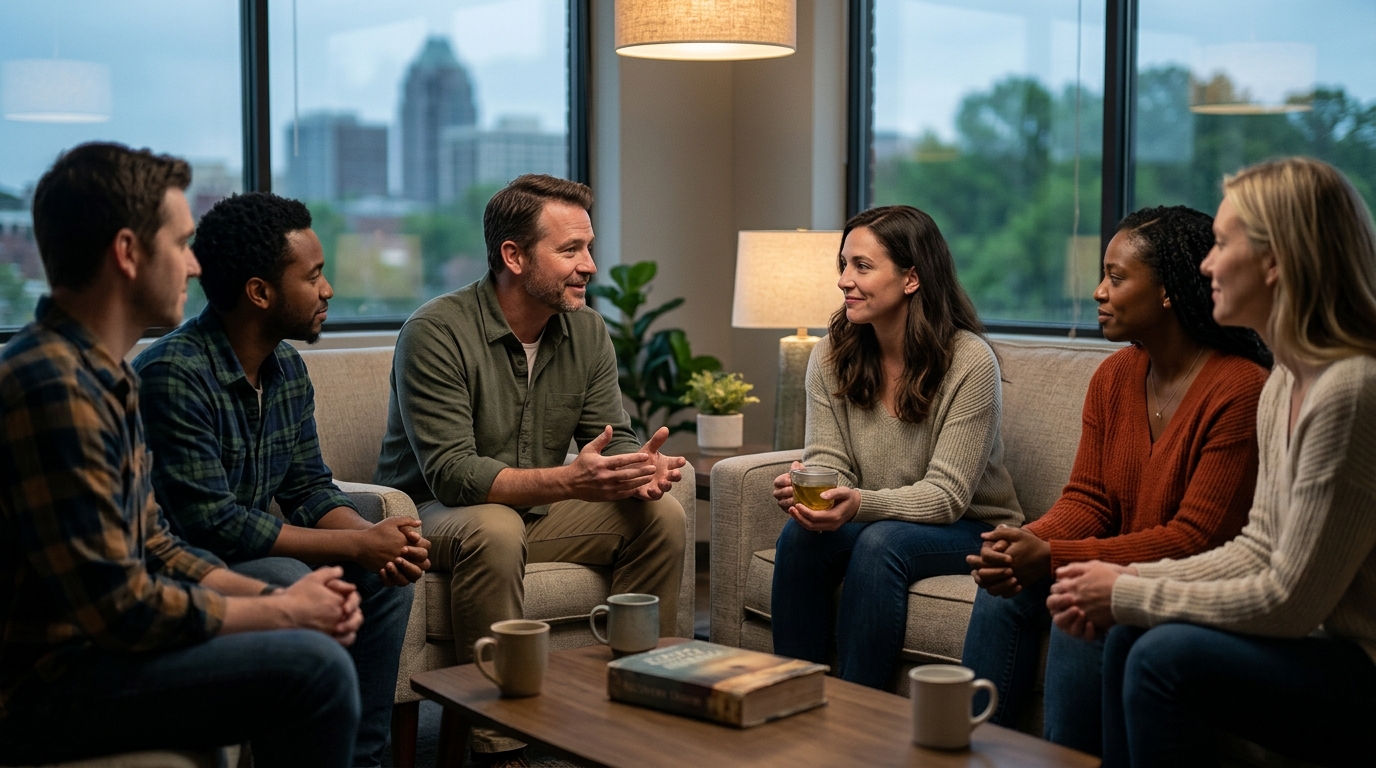
Substance use disorders affect millions of Americans annually, with SAMHSA reports indicating that over 20 million people struggle with addiction. In Greensboro, North Carolina, the landscape of recovery has evolved significantly, moving away from one-size-fits-all inpatient models toward flexible, evidence-based outpatient care. Understanding the distinct differences between these options is critical for making an informed decision that supports long-term sobriety.
Detoxification vs. Intensive Outpatient Programs
The first step in many recovery journeys is determining the appropriate level of care. For individuals with severe physical dependencies, medical detoxification is often the necessary starting point. This process manages acute withdrawal symptoms under medical supervision, ensuring safety before long-term therapy begins. At The Ringer Center, outpatient detoxification offers a viable alternative to hospital admission for those who do not require 24-hour inpatient monitoring.
Once the immediate physical dangers of withdrawal are managed, the focus shifts to behavioral change through an Intensive Outpatient Program (IOP). The IOP has become the standard of care for many, replacing conventional 28-day inpatient stays for a significant portion of the population. According to NIDA data, IOPs allow clients to learn coping strategies while still living in the community, which is crucial for real-world application.
The Ringer Center offers flexible IOP scheduling, with morning sessions on Monday, Wednesday, and Friday from 10:30 am to 1:30 pm, and evening sessions from 6:30 pm to 9:30 pm. This structure accommodates individuals who need to maintain employment or family responsibilities while committing to their recovery. The program includes group therapy, individual counseling, and educational workshops, all designed to build a robust support network.
Therapy Models: CBT, RET, and Reality Therapy
Effective addiction treatment is not just about abstinence; it is about rewiring the thought patterns that drive substance use. The Ringer Center employs a person-centered approach, primarily utilizing Cognitive-Behavioral Therapy (CBT). Cognitive-Behavioral Therapy is a structured form of psychotherapy that helps patients identify and change destructive thought patterns and behaviors.
In addition to CBT, the center integrates Reality Therapy and Rational Emotive Therapy (RET). Reality Therapy is a client-centered approach that focuses on present behaviors and choices rather than past events, helping individuals take responsibility for their current lives. Rational Emotive Therapy, developed by Albert Ellis, challenges irrational beliefs that contribute to emotional distress and addictive behaviors. These modalities are often combined with Motivational Enhancement Therapy to strengthen the client's internal drive for change.
For those seeking a faith-based approach, Christian counseling is available. This option integrates spiritual principles with clinical psychology, providing a unique pathway for individuals whose recovery is deeply connected to their faith. APA studies suggest that for many patients, spiritual engagement can significantly enhance treatment outcomes and social support.
The Role of Medication Management
Medication-assisted treatment (MAT) is a critical component of modern addiction care, particularly for opioid and alcohol use disorders. The Ringer Center features a psychiatrist and two psychiatric nurse practitioners who provide comprehensive medication management services. This integrated care model ensures that mental health and substance use disorders are treated simultaneously, a practice known as addressing co-occurring disorders.
Common medications used in these programs include Antabuse, Campral, and Naltrexone. These non-addictive medications help reduce cravings and block the euphoric effects of alcohol or opioids, thereby supporting the early recovery process. The appropriate use of medication management has been shown to increase retention rates in treatment programs by up to 50 percent compared to counseling alone.
Patients undergo a "Bio-Psycho-Social" evaluation during their initial session. This assessment reviews biological factors, psychological history, and social circumstances to create a personalized treatment plan. The evaluation is ongoing, allowing clinicians to adjust medication and therapy intensity as the patient's condition evolves.
Specialized Programs: DWI and Eating Disorders
Greensboro residents facing legal or specific behavioral health challenges have access to specialized programs. The Ringer Center is licensed by the state of North Carolina to provide DWI assessments. As one of the few providers credentialed to meet strict Department of Transportation guidelines, the center ensures that clients receive compliant and thorough evaluations.
Furthermore, the center has been selected by the Guilford County Court System to provide "The First Offenders Program." This initiative helps individuals avoid harsh legal penalties by engaging in structured treatment, promoting rehabilitation over incarceration. For those struggling with disordered eating, the center offers individualized treatment for binge eating disorder and bulimia, recognizing the complex link between food, control, and addiction.

Comparison of Greensboro Treatment Options
Choosing the right path requires understanding the nuances of each service. The table below outlines the key differences between the primary treatment modalities available at The Ringer Center.
| Treatment Modality | Best For | Frequency | Key Benefit |
|---|---|---|---|
| Outpatient Detox | Mild to moderate withdrawal | Daily (Initial Phase) | Medical safety without hospitalization |
| Intensive Outpatient (IOP) | Substance abuse recovery | 3x Weekly (2.5-3 hrs) | Flexibility for work/family life |
| Individual Therapy | Anxiety, Depression, Stress | Weekly (Flexible) | Personalized confidential support |
| Marriage & Family Counseling | Relationship dynamics | Weekly | Healing family systems |
| DWI Assessment | Legal compliance | One-time | DOT compliant evaluation |
Key Takeaways
- The Ringer Center has served the Greensboro community since 1996, establishing decades of trust in behavioral health.
- The facility is officially named "The Marguerite Burke Ringer Mental Health Center," reflecting its commitment to compassionate care.
- IOP sessions are available in both morning and evening formats to accommodate diverse work schedules.
- The clinical team includes a psychiatrist, nurse practitioners, and seven master-level clinicians, three of whom are licensed substance abuse counselors.
- The center is one of the few providers in the region credentialed for Department of Transportation substance abuse assessments.
- Payment plans are available, and most insurances, Medicaid, and Medicare are accepted to reduce financial barriers.
- Treatment plans are personalized using Bio-Psycho-Social evaluations, ensuring no two paths to recovery are identical.
Frequently Asked Questions
What is the difference between IOP and traditional outpatient counseling?
Intensive Outpatient Programs (IOP) require a higher time commitment, typically meeting three to four times a week for several hours, whereas traditional outpatient counseling usually involves one hour per week. IOP is designed for those needing more structure to prevent relapse.
Does The Ringer Center accept Medicaid and Medicare?
Yes, The Ringer Center accepts most major insurance providers, as well as Medicaid and Medicare. They also offer flexible payment plans to ensure financial constraints do not prevent access to care.
How long does the initial evaluation take?
The initial "Bio-Psycho-Social" evaluation is a comprehensive process that may span the first few sessions. It is designed to provide helpful awareness rather than discomfort, and patients are never asked to share more than they are prepared to.
Is Christian counseling available?
Yes, Christian counseling is available for those who wish to integrate their faith into their recovery journey. You can contact Robin Ringer directly to schedule these specific sessions.
Can I attend IOP while working full-time?
Absolutely. The Ringer Center offers both morning (10:30 am to 1:30 pm) and evening (6:30 pm to 9:30 pm) IOP sessions on Mondays, Wednesdays, and Fridays to accommodate working professionals.
What types of therapy do you use?
The center primarily uses Cognitive-Behavioral Therapy (CBT), Reality Therapy, and Rational Emotive Therapy (RET), often combined with Motivational Enhancement to facilitate change.
Do you offer DWI assessments?
Yes, the center is licensed by the state of NC to provide DWI assessments and is credentialed to meet strict Department of Transportation guidelines.
Next Steps for Recovery
Recovery is a journey that begins with a single step. If you or a loved one in Greensboro is struggling with addiction, anxiety, or depression, The Ringer Center is here to help. With a commitment to serving clients within seventy-two hours of contact, the team is ready to provide the compassionate, expert care you deserve. Visit Contact a Counselor to schedule your initial evaluation today.